

JACKSON LODGE NO. 48
During the winter of 1928-29, an dedicated assembly of Masons met to form a lodge in Jackson, Wyoming, as the closest Masonic sanctuary was eighty miles away in Pinedale. Eleven pioneering brothers arrived as founding members, largely representing lodges outside Wyoming: Clarence E. Blain (CA), Clark Brody (IA), Charles H. Brown (MI), Felix Buchenroth, Sr. (WY), Harold M. Elkins (MT), John A. Evans (KS), Arthur C. McCain (WY), William Mercill (ID), Ernest G. Van Leuwen (MI), and Clarence R. Van Vleck (WY). Their initial meeting took place in a modest Forest Reserve blacksmith shop, where a wood stove stood between stations and elk hides covered windows to shield against bitter sub-zero temperatures.
Franklin Lodge No. 31 supported the brethren in their petition to the Grand Lodge. On December 16, 1929, Grand Master Guy J. Gay issued a dispensation. The lodge was formally established with John A. Evans presiding as the first Worshipful Master. Throughout several decades, the group transitioned through various temporary locations—including the Oddfellows Hall, St. John’s Guild room, and the Community Skiing Shelter—until finally consecrating their permanent Masonic Temple on September 17, 1962.
The lodge maintains a deep legacy of local service, helping lay the cornerstones for Teton County High School in 1966 and the County Court House in 1968. In 1964, they organized the Western Wyoming Masonic Club, welcoming guest Governor Clifford P. Hansen, a fellow lodge member. Signature events include a 1965 buffalo roast celebrating new Master Masons and the cherished tradition of Past Masters Night. While the late 20th century presented hurdles involving lower attendance and procedural shifts, a 2001 commitment to Masonic education and revised bylaws led to a significant revitalization.
Financial archives track the lodge’s growth, highlighting the 1958 property sale to LVP&L for $15,000 and the 1959 purchase of the Van Vleck parcels. Despite various perspectives on managing these assets, disciplined investments in US Treasury Bonds have ensured steady funding for facility upgrades for over three decades. From 1974 to 2024, the lodge flourished, with many brothers serving the Grand Lodge of Wyoming. Notable leaders include Terry G. McAnnany and T. Mark Mickelson as Grand Masters, plus numerous members serving as Grand Historians, Orators, and Representatives.
Civic involvement remained paramount; during Bob Zimmer’s term (2007-08), the lodge recognized local figures like Deputy Leland Christiansen and the Jackson Hole Snow Devils. In 2014, a time capsule was embedded in a memorial stone to mark Jackson's Centennial, attended by Governor Matt Mead. The 2020 pandemic briefly halted in-person assemblies, yet the lodge persisted, eventually returning to regular communication under local guidance. By 2022, modern financial strategies were implemented to address inflation, and the lodge moved to the Grand View system for digital record-keeping.
Leadership continues to be our cornerstone. In early 2024, PGM Tom Needham spoke to the brethren about upcoming elections, noting that the role of Worshipful Master demands skill, integrity, and adherence to Masonic jurisprudence. He explained that leadership is an incremental path—from Steward to Deacon to Warden—ensuring those reaching the East are thoroughly prepared. The objective is to select officers who value the integrity of Masonry above personal views, ensuring lasting lodge harmony.
JACKSON LODGE NO. 48 WORSHIPFUL MASTERS (1930–2025):
John A. Evans (1930), Felix Buchenroth, Sr. (1931), Arthur McCain (1932), Charles H. Brown (1933), Raymond C. Kent (1934), C.R. Van Vleck (1935), William Mercill (1936), David T. Carpenter (1937), Lewis G. Gill (1938), John P. Dornan (1939), Henry G. Watson (1940), Latham B. Lawton (1941), Charles W. Mercill (1942), Andrew L. Johnson (1943), John J. Barton (1944), Raymond D. Kent (1945), Robert C. Brown (1946), Garl W. Riggan (1947), Clifford P. Hansen (1948), Albert W. Nelson (1949), Clinton E. Van Vleck (1950), William G. Walters (1951), Howard Ballew (1952), Eliot Davis (1953), Henry G. Watson (1954), Harry W. Brown (1955), Lee L. Lundy (1956), Gustav Baley (1957), Lloyd VanDeBurg (1958), G.H. Mathews (1959), T.W. Watsabaugh (1960), Ralph L. Gill (1961), Floyd Graefe (1962), Robert L. Crisp (1963), George Melcoe (1964), Felix Buchenroth, Jr. (1965), Byrum C. Walker (1966), Paul C. Imeson (1967), John H. Kearsley (1968), Clyde R. Kranenburg, Jr. (1969), James L. Bramen (1970), Kenneth L. Jeffries (1971), Robert N. Southern (1972), Vernon D. Harkens (1973), Nels L. Dahlquist (1974), Ross C. Kientz (1975), Glenn Taylor (1976), John Richards (1977), Maurice Miles (1978), Thomas G. Needham (1979), Ernest Wampler, Sr. (1980), Robert Boetticher (1981), Michael Lance (1982), Larry Henry (1983), Sparky Jim Imeson (1984), Robert Lundy (1985), Paul Penny (1986), Charles Davis (1987), Blake VandeWater (1988), Thomas G. Needham (1989), Lou Scarlet (1990), Louis Leisinger (1991-92), Ed Owens (1993), Dr. Bruce Hayes (1994), Garvis Roby (1995), Rob Weed (1996), David Clauss (1997), Chuck Tabor (1998-2002), Greg Hopkins (2003), Thomas G. Needham (2004), Brad Mead (2005), Jerry Voorhees (2006), Bob Zimmer (2007-08), Thomas G. Needham (2009), David E. Peters (2010), Christopher Schroeder (2011), Redeem Sumicad (2012), Kraig Kobert (2013-14), Stephen McNeil Watson (2015), Joe Schloss (2016), Ken Struble (2017), Roy Cornelius Kinsey IV (2018), Bryan Compton (2019), Stephen McNeil Watson (2020), Bill Winney (2021), Jack Soper (2022), Roy Cornelius Kinsey IV (2023), Daniel Bussard (2024), Christopher Schroeder (2025).
The historical record of Jackson Lodge No. 48 for the years 1974 through 2024 has been formally integrated into the ‘History of the Grand Lodge of Ancient Free and Accepted Masons of Wyoming 1874–1974’ (pages 374–376). This chronology was curated by Past Master and Historian Tom Needham, with oversight from Past Master Bob Lundy.
The Craft of Masonry

The Entered Apprentice
The foundation of Masonic philosophy, focusing on the principles of morality and the pursuit of knowledge.
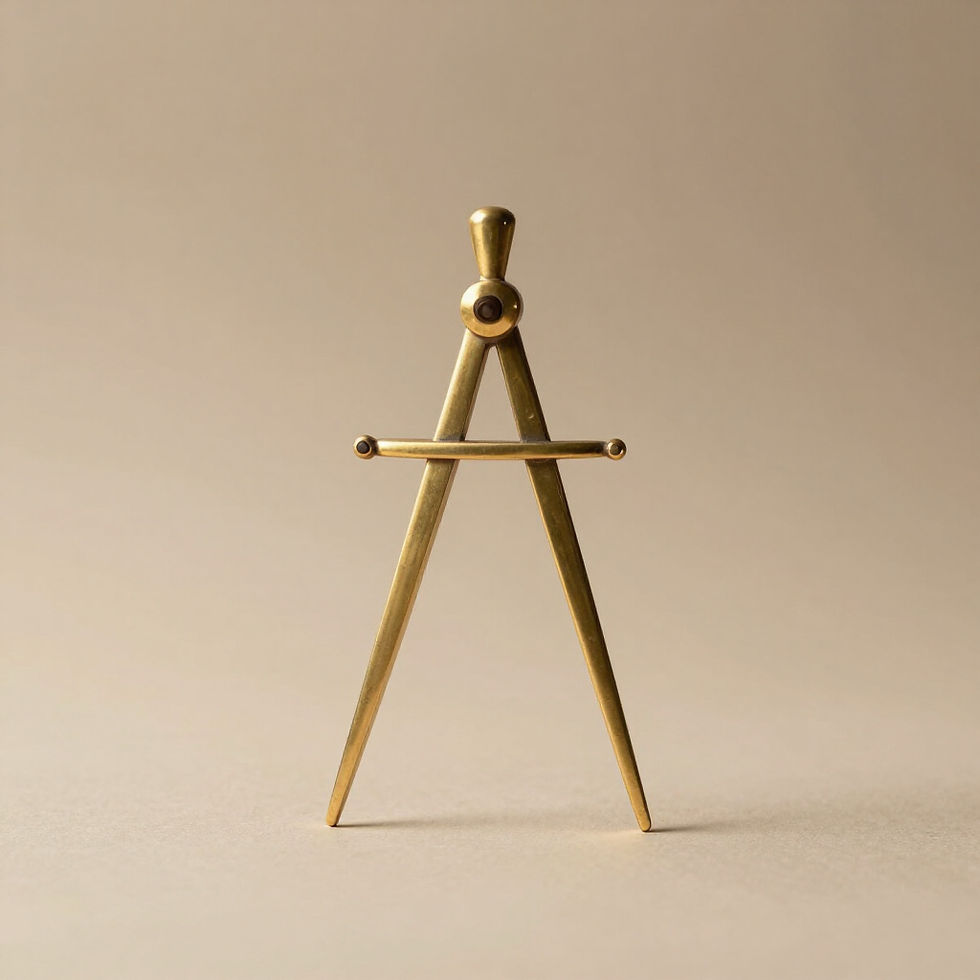
The Fellowcraft
The exploration of the arts and sciences, emphasizing the importance of craftsmanship and brotherhood.

The Master Mason
The culmination of the journey, focusing on the application of moral principles to the service of the community.